

Understanding the Basics of Chinese Medicine
TCM is actually quite approachable once you understand its basics. It’s a natural, holistic way to support your body’s health and balance. If you’ve ever wondered what is traditional chinese medicine and how it might fit into your wellness routine, this post is for you.
The Basics of Chinese Medicine: What You Need to Know
Traditional Chinese Medicine is an ancient system of health care that has been practiced for thousands of years. It’s based on the idea that the body is a whole, interconnected system, and health depends on the balance of energy, or Qi (pronounced "chee"). When Qi flows freely and harmoniously, you feel well. When it’s blocked or out of balance, illness can occur.
TCM uses a variety of methods to restore this balance, including:
Acupuncture: Inserting thin needles into specific points on the body to stimulate energy flow.
Herbal medicine: Using natural plants and minerals to support healing.
Cupping therapy: Applying suction cups to the skin to improve circulation.
Moxibustion: Burning a herb called mugwort near the skin to warm and stimulate energy.
Tai Chi and Qigong: Gentle movement and breathing exercises to cultivate Qi.
The goal is not just to treat symptoms but to address the root cause of health issues and promote overall well-being.
One of the things I appreciate about TCM is its personalized approach. Practitioners don’t just give the same treatment to everyone. They carefully assess your unique energy patterns, lifestyle, and symptoms before recommending a plan.
How the Basics of Chinese Medicine Can Help You
You might be wondering how TCM can fit into your life. The beauty of it is that it’s flexible and can complement your existing health practices. For example, if you’re dealing with stress, acupuncture and herbal teas can help calm your mind and body. If you have digestive issues, TCM herbs and dietary advice can support your gut health naturally.
Here are some practical ways to start integrating TCM basics into your routine:
Try acupuncture sessions to address specific health concerns like headaches, fatigue, or muscle pain.
Incorporate herbal teas recommended by a TCM practitioner to boost immunity or improve digestion.
Practice Tai Chi or Qigong for 10-15 minutes daily to enhance energy flow and reduce stress.
Use dietary therapy by eating foods that balance your body’s energy according to TCM principles (like warming foods in winter).
The key is consistency and working with a qualified practitioner who understands your needs.
What Does TCM Say About Fibromyalgia?
Fibromyalgia is a complex condition characterized by widespread pain, fatigue, and sleep disturbances. Western medicine often struggles to provide effective relief, which is why many people turn to TCM for help.
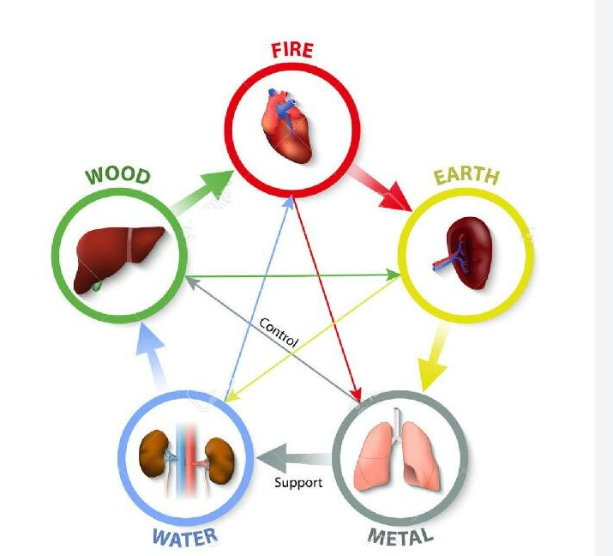
According to TCM, fibromyalgia is often linked to imbalances in Qi and blood circulation, as well as deficiencies in the liver, spleen, and kidney energy systems. These imbalances can cause pain and fatigue because the body’s energy is not flowing smoothly.
TCM treatments for fibromyalgia typically include:
Acupuncture to relieve pain and improve energy flow.
Herbal formulas designed to nourish blood and Qi, reduce inflammation, and calm the nervous system.
Qigong exercises to gently strengthen the body and improve circulation.
Dietary adjustments to support organ health and reduce dampness or cold in the body.
Many people with fibromyalgia report feeling more balanced and experiencing less pain after consistent TCM treatment. It’s important to remember that TCM looks at the whole person, so treatments are tailored to your specific symptoms and energy patterns.
The Role of Qi and Yin-Yang in Traditional Chinese Medicine
One of the most fascinating parts of TCM is its foundation in the concepts of Qi and Yin-Yang. Qi is the vital life force that flows through your body’s meridians (energy pathways). Think of it as the electricity that powers your body’s functions.
Yin and Yang are complementary forces that represent balance in nature and the body. Yin is associated with coolness, rest, and nourishment, while Yang relates to heat, activity, and energy. Health in TCM means maintaining a dynamic balance between Yin and Yang.
When Yin and Yang are out of balance, you might experience symptoms like:
Fatigue or restlessness
Digestive problems
Mood swings
Chronic pain
TCM treatments aim to restore this balance by either tonifying (strengthening) Yin or Yang, or by clearing excess heat or cold.
Understanding these concepts helped me see my health in a new light. Instead of just fighting symptoms, I started thinking about how to keep my body’s energy flowing smoothly and balanced every day.
How to Find a Good TCM Practitioner and What to Expect
If you’re ready to explore TCM, finding the right practitioner is key. Here are some tips to help you get started:
Look for licensed or certified practitioners with good reviews.
Choose someone who takes time to listen and explain their approach.
Expect an initial consultation that includes questions about your lifestyle, diet, sleep, emotions, and physical symptoms.
Treatments may involve acupuncture, herbal prescriptions, or lifestyle advice.
Be patient - TCM often works gradually, focusing on long-term balance rather than quick fixes.
When I first visited a TCM practitioner, I was impressed by how thorough the assessment was. They looked at my tongue, pulse, and asked detailed questions. This personalized approach made me feel confident that the treatment was tailored just for me.
Exploring the basics of Chinese medicine opened up a new path for me to support my health naturally. Whether you’re curious about acupuncture, herbal remedies, or gentle movement practices, TCM offers a rich tradition of healing that’s accessible and adaptable. Remember, the journey to wellness is personal, and TCM can be a valuable partner along the way.
If you want to learn more about what is traditional chinese medicine and how it can fit into your life, take the first step by reaching out to a trusted practitioner or trying a simple herbal tea today. Your body will thank you for it!

Comments